精選內容

Board game Session Report

It was everyone’s first time playing King of Tokyo
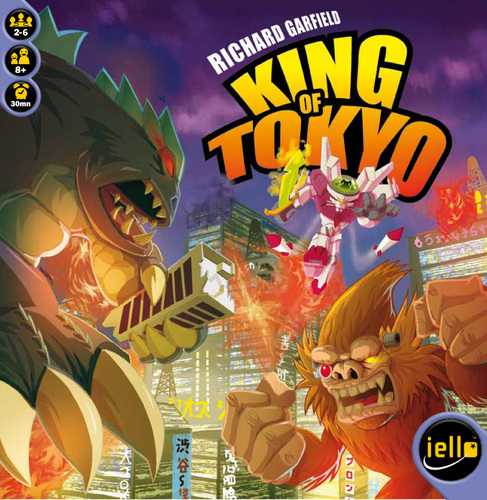
In King of Tokyo, three of my classmates and I play as mutant monsters, gigantic robots, and strange aliens. Our objective is to destroy Tokyo and kill each other. The roles are sample. At the start of each turn, the player rolls six dice with the following symbols: 1, 2, 3, Energy, Heart, and Attack.
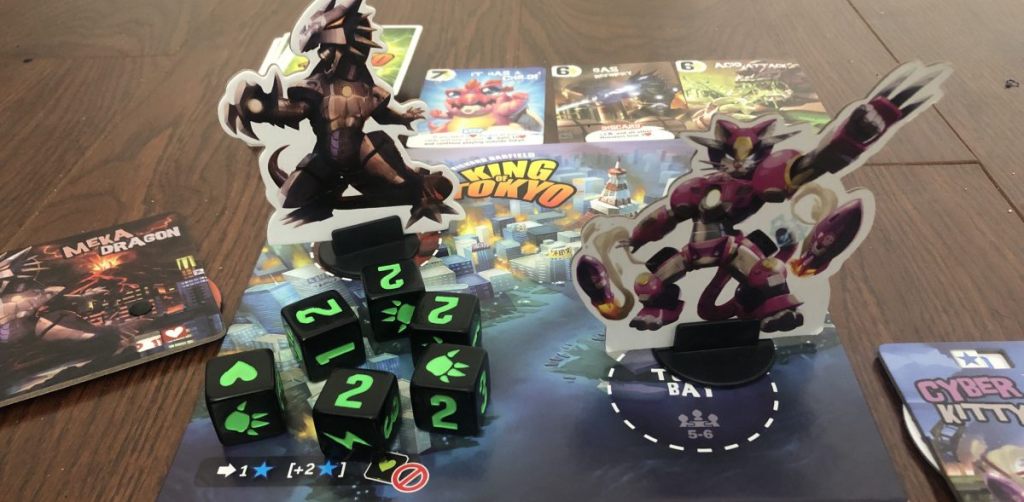
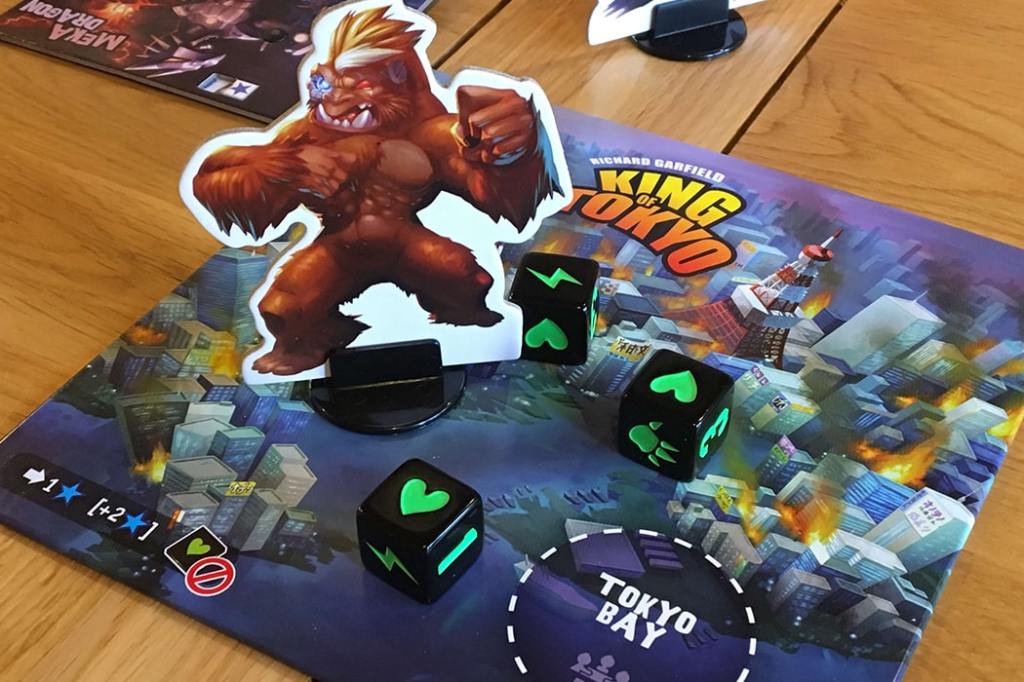
1, 2, 3 are Victory Points. Any player got 20 Victory points or kills every other monster wins. Energy buys your special cards and gains your advantages. Hearts heal you and every player has 10 health at the start of the game. There are other ways to gain victory points such as attacking Tokyo and staying in there. The player gains one point when first getting into Tokyo and two points every full turn. You can reroll all or some of dice up to three times. After each throw, you can choose whether to keep of discard each die in order to win victory points, gain energy, restore health or attack other players and clam Tokyo is your territory.
Play by play

First round:

The game started off slowly because everyone was just learning the rules and noting major happened. I was the frist dice roller. The first dece rolled ended up with no victory point(VP) but I won two energy. Dan is lucky and got two VP and two energy at his end of the turn.

Second round:

Dan got super lucky and got three 2s and one 3 reuslting in three VP(5VP). I got three energy and one attack. Chengyuan got 3 energy. Jack got 1 energy.

Third round:

I got three energy and one attack. I decided to move to Tokyo and collect my VP. Chengyuan got 3 energy. Jack got 1 energy. Dan rolled four 3s and attacked the king of Tokyo(me)(9VP). Jack got 4 points and attacked Dan for two damage. At the end of Jack’s turn, Jack bought and activated a card resulting in every monster beside him losing 5 VP. Dan(4VP) ,Others(0VP)

Fourth round:

I got 1 VP and 1 energy(1VP). Dan got 2 energy. Jack got 2 hearts and attacked the king of Tokyo(me) and got 1 energy. Chengyuan gain 1VP and 3 energy.

Fifth round:

I got 2VP because I stayed in Tokey and got 3VP from dice roll.(4VP) Dan got 2 energy. Jack got 2 hearts, 1 energy and attacked me in Tokyo but I choose to stay in Tokyo.

Sixth round:

I stayed in Tokyo and rolled 1 points and 2 energy.(6VP) Dan got 4 VP(9VP). Jack got 4 energy and attacked me two times. At the end of his turn, Jack spends 5 energy and give him 3VP(11VP). Chengyuan attacks me 3 times resulting in me at only 1 health. I could escape Tokyo because the active card Chengyuan has. If I escape then he deals 1 more damage to me and I die. So I have to stay.

Seventh round:

I’m still in Tokyo and gains 2 VP(8VP) with 1 health left. I rolled 4 energy and bought a health card and restored 2 health(3HP). Dan got 2 energy and 2VP(13VP). Jack attcked me 2 times and I choose to escape Tokyo with 1 HP left. Jack also got 3VP(8VP) from his turn. Chengyuan got 4 point and 1 energy.

Scoreboard –

Kraken 14 VPs/5 health –  Gigazaur 8health/7VP – mekadragon 2 health/8VP – ME(the king) 10 health/13VP

Eighth round:

I got 2 points and 3 hearts.(10VP). Dan got 5VP(18VP). Jack got 2 VP(16VP). Chengyuan used his card to inflict additional damage and killed kraken the monster who was low on health in Tokyo. Jack died with 16VP.

Final round:

I used my somke card to have addtional reroll but I only got 4 VP(14VP). Dan rolled 4VP to win the game which ended up being 22 VP and full 10/10 health. Congratulation!!!!

The game was very tight and exciting towads the end. It really got my heart racing when I manage to escape Tokyo with 1 HP left. We all enjoied the game. I will go get my own copy in the future and play with my family.


精選內容

Cadillacs and Dinosaurs by Capcom (1993)

Internet Archive, an interesting way of playing archive game.

The whole experience was fun but it clearly has some issues. The main issue was the button configuration. The initial button configuration was awkward and there in instruction provided. Character movement was set to R, D, F, and G. Attack and the jump button was set to A and S. I remember when I played this game back then, the character movement is controlled by a joystick with the left hand. But now I need to use my right hand to control the character which is very hard to play at first.
The major difference between playing on an emulator vs playing the game on the original hardware are the control method and the input lag. The original control method is a joystick with six big buttons that are intuitive and easy to use. I was playing the game on my MacBook with no additional hardware so the keyboard was my only option. I felt no input lag went while I played the game on the original hardware. The response time was short and felt great. On this emulator, I felt it’s at least 200 to 400ms of delay between my input and when the character started moving. Without this delay, I could have beaten the boss… Just kidding, I’m just bad at the game.

Blog Post 9: Course Reflection

Learning Reflection:

Throughout the course, I learned a lot of practices to become a better game developer but the biggest takeaway for me for this class is the definition of the inscribed, dynamic, and cultural layer that in video games.

INSCRIBED LAYER

The objectives and player relationships have been my start point when I start a new project. What are the players trying to accomplish? What can and can’t the players do to achieve their objective? Those questions will help me get a clear vision of the game structure.

DYNAMIC MECHANICS

When it comes to dynamic layer, the dynamic mechanics will always be in my consideration. With the dynamic mechanics in mind, the game that I made throughout the course was always different and each player that tests my game would have a different experience from the game. Some may get deep into the game and some may feel frustrated because they didn’t know the optimal strategy for the game.

BEYOND PLAY

The cultural layer, however, is a little less obvious. The cultural layer exists at the intersection of the game and society. Players of a game become a community united by their shared experience of play, and that community takes the concepts and intellectual property of the game out into the world.Adding specific cultrual elements will make the game special and appealing to the game community. Building a game community was also my dream. With all the knowledge that I gathered in this course, I think it is time for me to do something I have always wanted to.

Blog Post 8: Final Project

A fun Journey with RPGMaker MV:

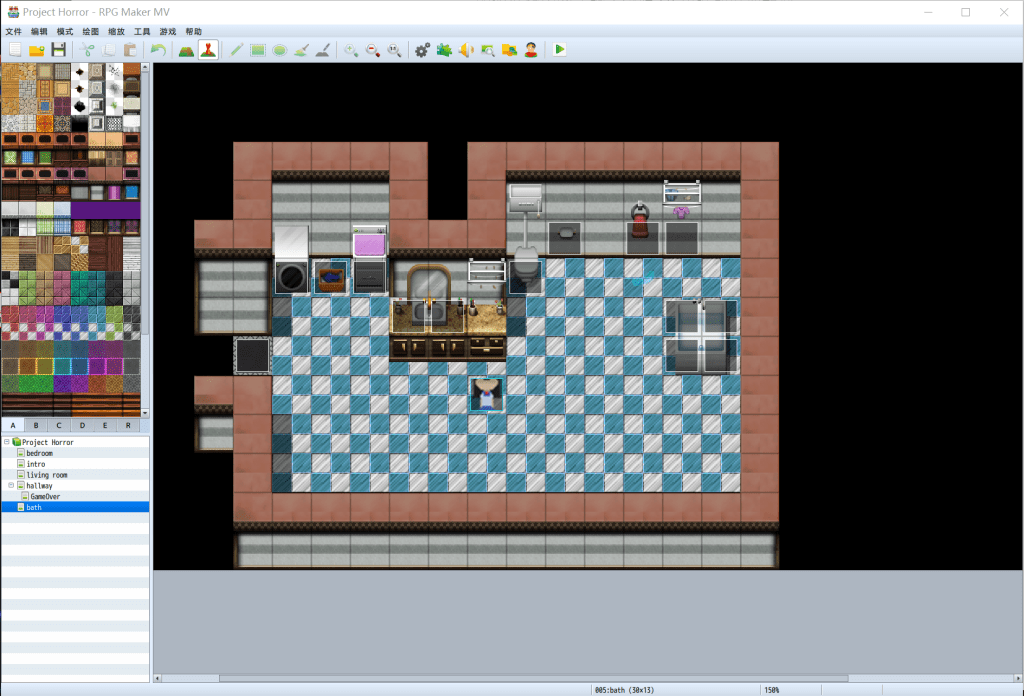
Our team decided to use RPGMaker for our final project. I’ve heard RPGMaker before but never used it so RPGMaker is very new to me. Learning how to use RPGMaker has been a long but fun experience. I’m impressed by how simple and function complete the RPGMaker is. All versions include initial premade tilesets, characters, and events that can be used in creating our games.

Our game is a horror puzzle game and that is a great fit for the RPGMaker.

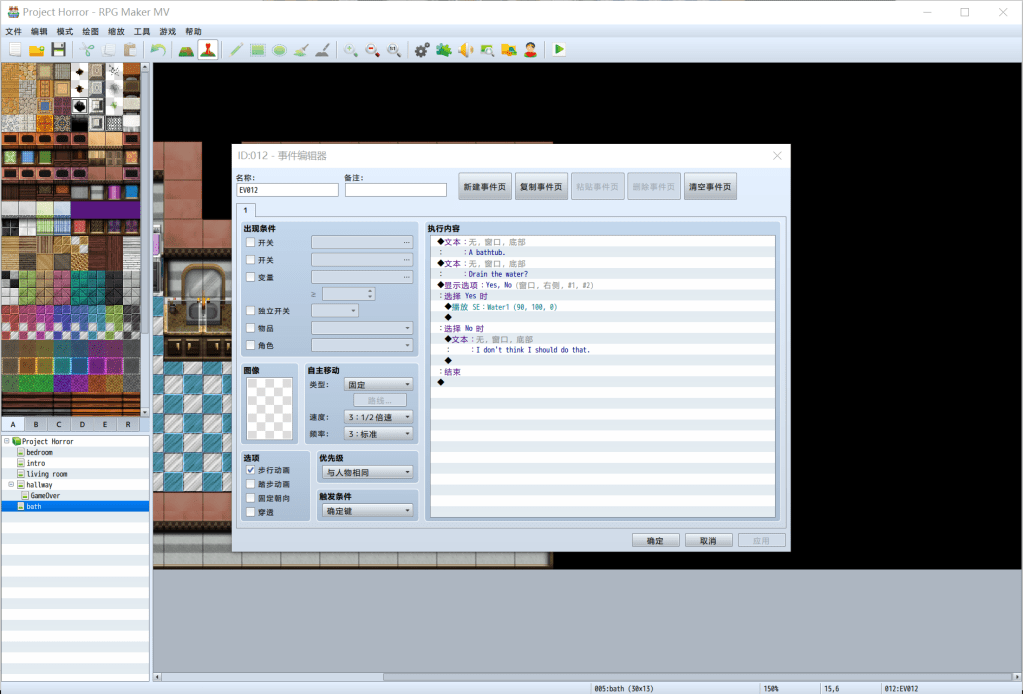
I’m able to add player interactions to those objects that I placed in the level to grant instructions and important quest items to the player.

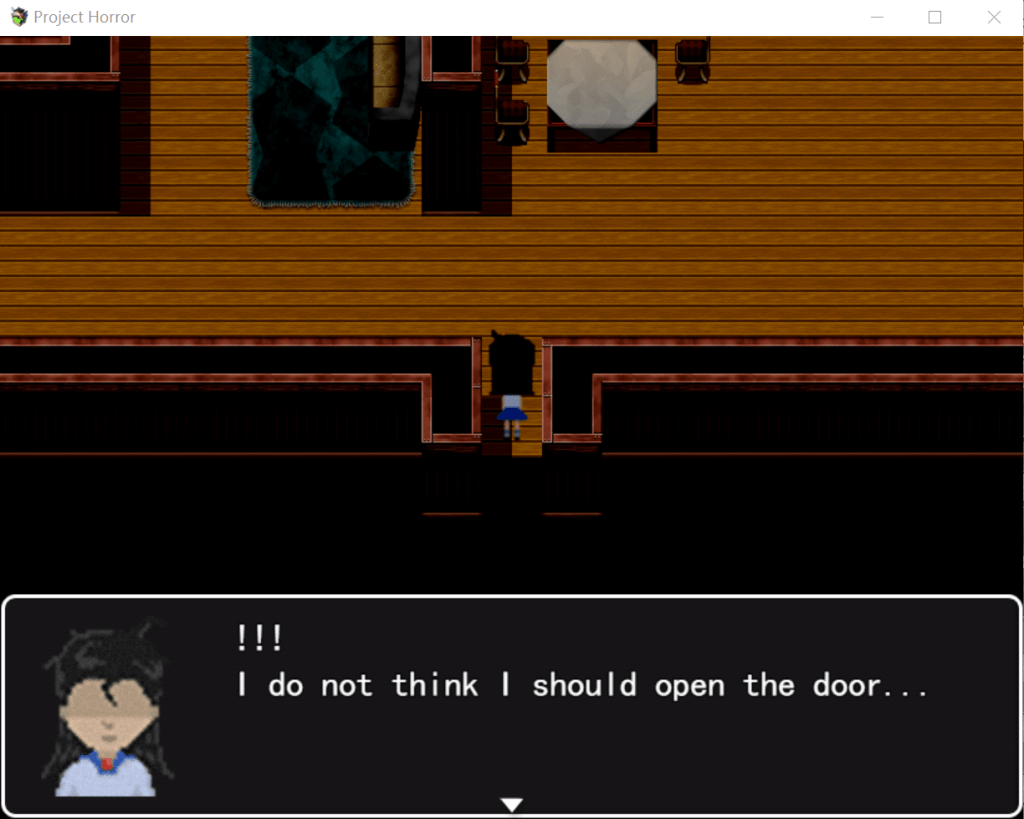
I can also add cutscenes and dialogues to the game and further immerse the player into the horror experience that we’ve created.

Blog Post 7: JackBox Game

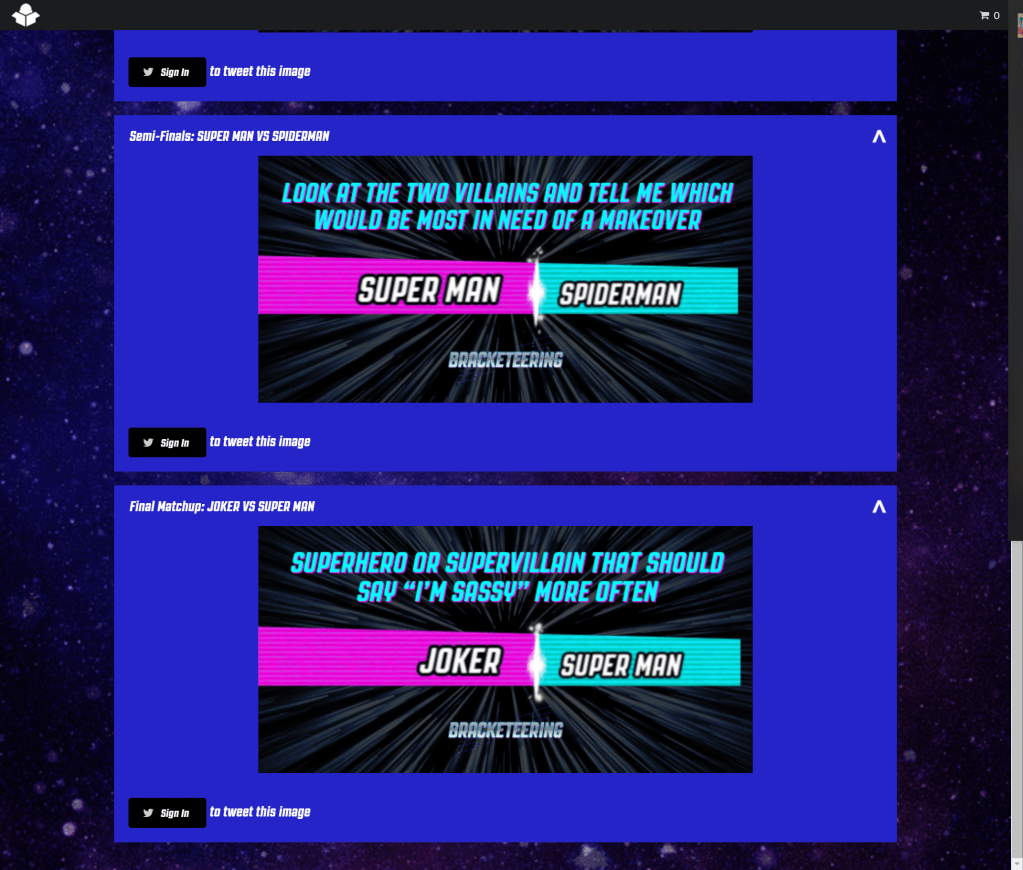
Discuss mechanics and your experience with your peers in the game.

In the first JackBox game that I played, the mechanics that I noticed are:

Voting, I Cut, You Choose, Player Elimination

The noticed the voting mechanic at the start of the game. Every player need to vote between other two players answer.

I think there is a I cut, you choose mechanic in this game because one players choice is being judged by other player.

There is also player elimination in this game because one player is eliminated base on how many votes they got each round.

How does playing with an audience affect the game?

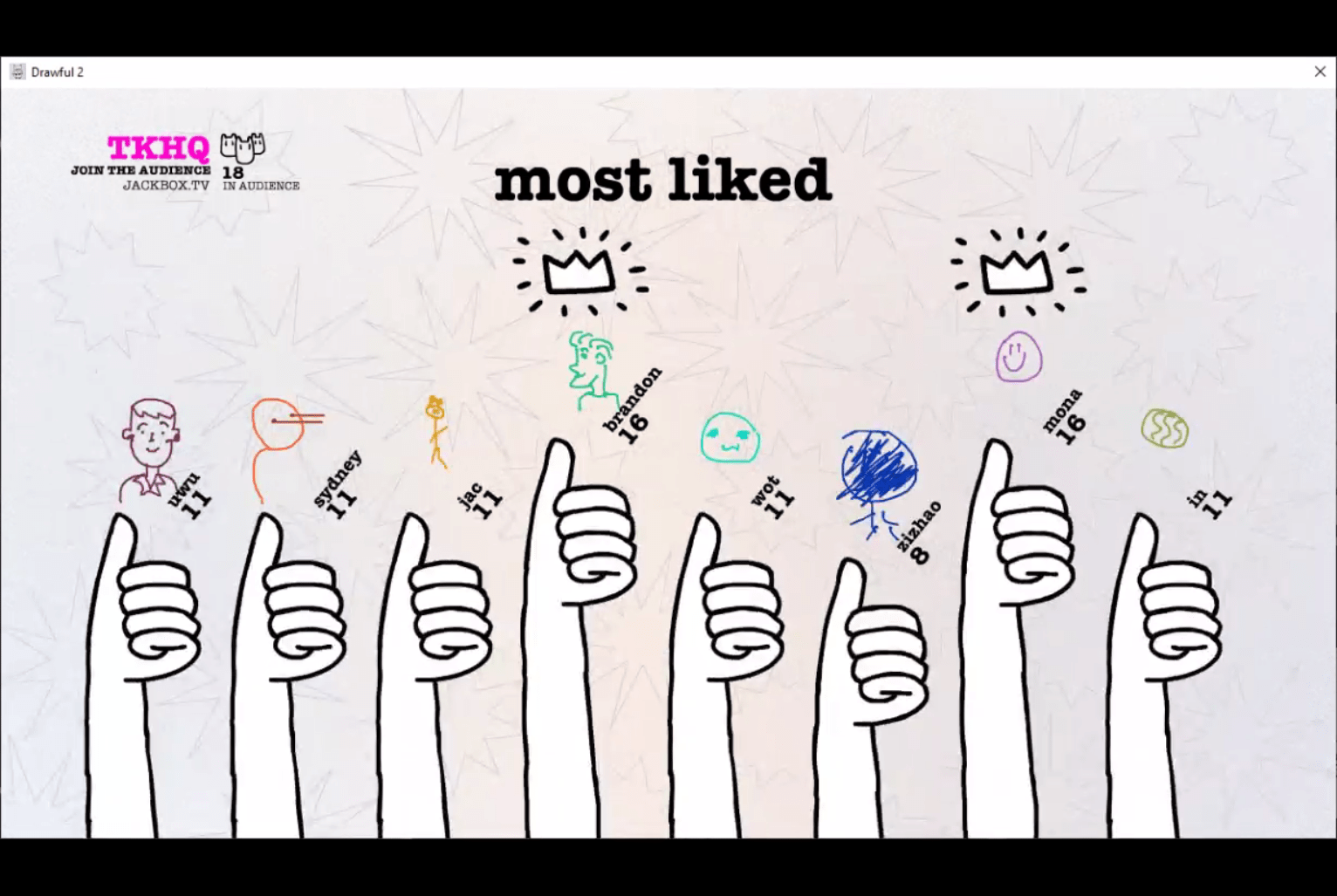
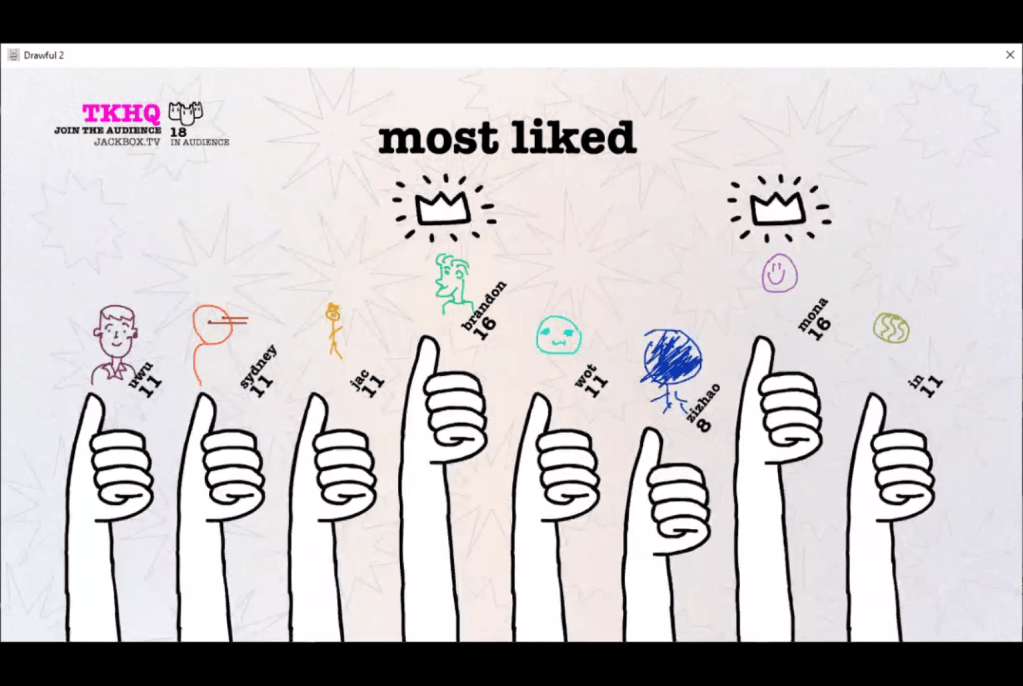
The audience in the second JackBox affect the game a lot more than the first JackBox game that I played. The second JackBox is kind like “I draw and you guess" but a little bit different. The audience have a significant role in this game because they can vote for the best guess. One plyer’s vote is worth 500 points towards the player’s guess. 50% of the audience also worth 500 points towards the player’s guess. That means if one player gets all the audience’s votes then it’s plus 1000 points on top of all the points that he got in this round. At the end of the game the highest score was about 8000. 1000 points that are controled by the audience are very significant in my opinion. I think the audience have a big impact in who win the game at the end.

Blog Post 6: Video Game Prototype

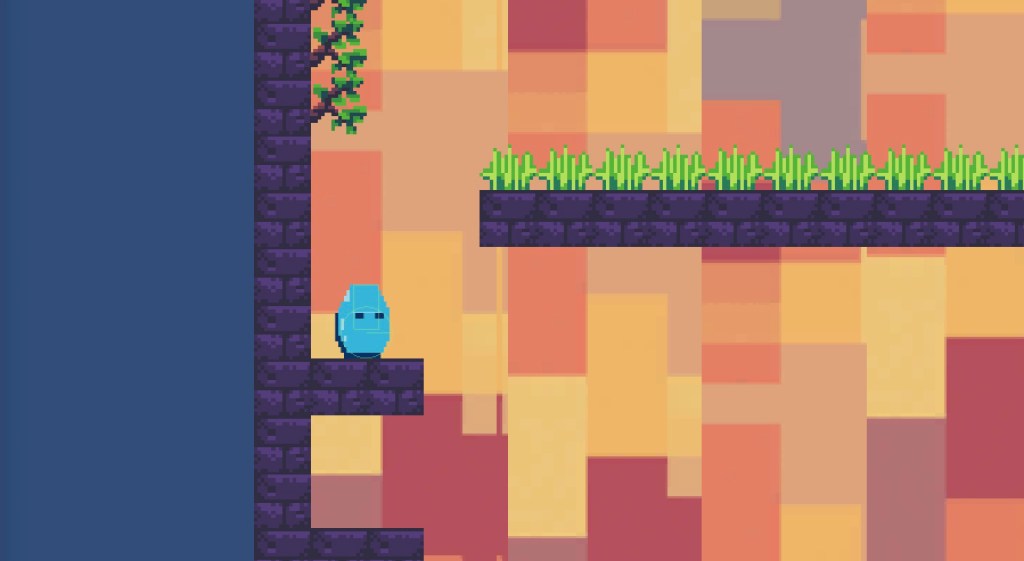
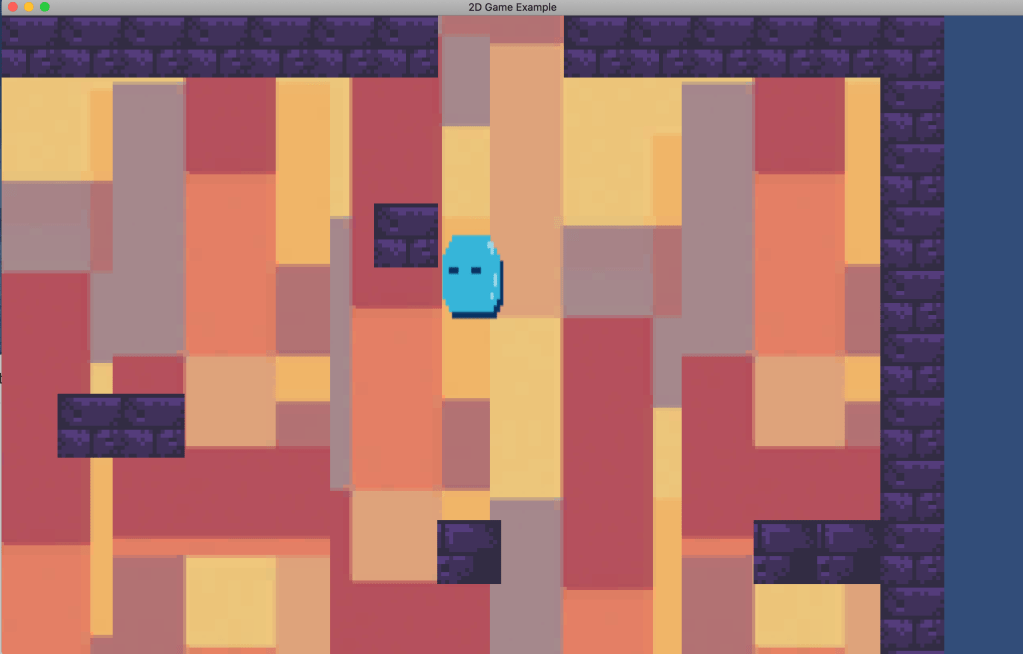
A Screenshot:

Title of the game:Slime Jump!!

It is a very challenging platform game. Go as high as you can! Try if you can finish the first level. After you beat the first level there is a second level you can try out but be careful. It is insanely hard. It took me about 30 minutes to beat the game. All the levels have been tested by both of us and our friends. It is very challenging but doable.

Game credits:

I used some of the tilemap from the 108 game demo and also the Slipper C script from the 108 game demo.

Known Issue:

Crouch Animation dose not work properly.

Use → and ← to move left and right just ↑ to jump and ↓ to crouch. The slime will bounce on the platform.If you hit the jump key right when he touches the floor, you can jump higher and higher. This is the key to beat the game!

Briefly discuss the game as it exists now:

I have improved the game’s animation only left the crouch animation is left. All the core mechanics are working nicely. I’ve finished the first level and the second level of the game. The most difficult part of alpha is the creation of the second level. It is very hard to balance the game to be challenging but fun to play at the same time but I manage to find the middle point that I’m happy with.

SlimeJump!!First Playable

Name: Lin Zhu

Role: programmer and Producer

I choose the role of programmer and producer because I know code and handle the unity project implementation.

Two playtest sessions:

Player one: Jack Zhu

Jack Zhu is my CS108 classmate and we met at the board game lab. I’m very glad to have him to playtest our game. He was using a desktop PC running the Windows operating system.
He set the game’s resolution to 2560* 1440 on the windowed mode and start to play the game.
He tested the first level which is a bit challenging for the most player. He spends about 20 minutes and completed the first level. He said that the game is a little hard at the beginning but after he understands the core jumping mechanic the game becomes more fun to play because the first level heavily relies on the core mechanic. He said if we add some background music and sound effect for the slime animation would be perfect for our game.

Player two: Masae Yamazaki

Masae Yamazaki is my girlfriend and we live in the same apartment. With the current COVID-19 situation, I feel so lucky to have her around to test my game.
She tested the game on a MacBook laptop. The game was running on the windowed mode.
After 35 minutes of playtesting, she was not able to complete the first l; level but this totally in my expectation because my goal is to design a hard and challenging game for most players who love to have a bit challenge in their play session. In the end, she mentions that the animation could be worked on more to have a smoother transition. She also mentions the background music and sound effect that we will be working on.

I will work on the background music and add some sound effects to the character animation but I will keep the game flow and difficulty.

Video Game Lab

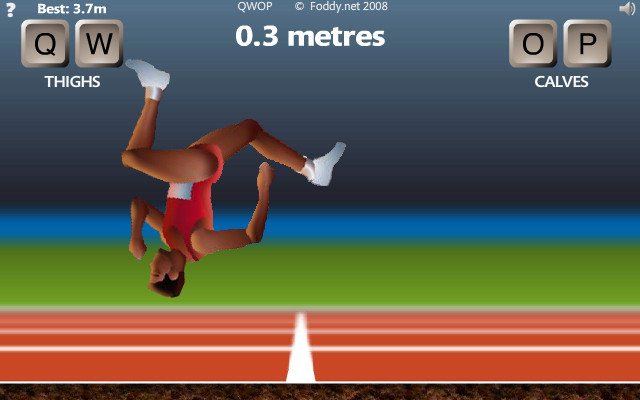
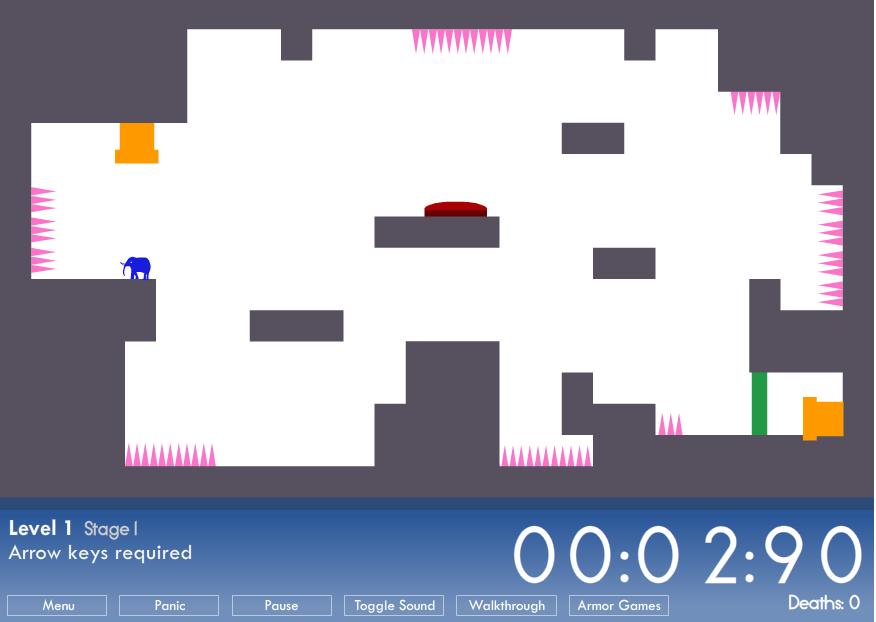
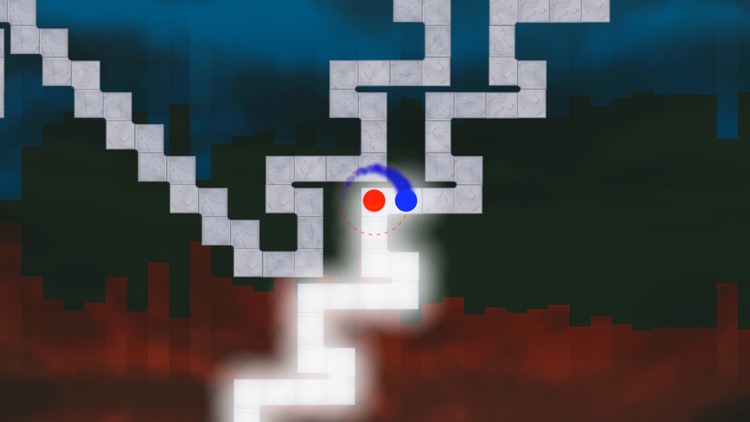
Three games I played: QWOP, This is the only level, A Dance of Fire and Ice.

Two game with critial connection.

QWOP:

The name of the game pretty much explained how the play is played. The player uses Q, W, O, P to control the runner on the screen. Unlike other games that I’ve played, this game completely changed how I view player movement in a game. Q and W were used to control the runner’s thighs. O and P were used to control the runner’s calves. The simple move action becomes insanely difficult to perform. In the middle of the play section, new obstacles will appear on the runway. The dynamic gameplay is what makes this game so fun to play. Speak of dynamic gameplay, there is another game that I played in the Lab I have to talk about and its name is This is the only level.

This is the only level.

Just like the game’s name saids. The game only have one level but with different stages. The objective of the game is to move the in-game character to the other side of the map. Sounds pretty easy right? No. After every stage start, there will be new rules added to the game such as “Player can only jump once per life” or  “Player can only move to the right” to make the game sometime super difficult to play. Those surprising and confusing moment is what makes me wonder what’s keeping me playing the game. I would try my best to beat the stage and looking forward to the new changes to the game when I go to the next stage. This game and QWOP use their dynamic gameplay to make a pretty simple looking game with so much depth.

The Rhythm game: A Dance of Fire and Ice

Mechanic: I like the mechanic of this game. The mechanic of this game is easy and very straight forward: hit the kay when the bit dorp. The game becomes very challanging but rewarding at the same time after the first few level. I played this game for about 20 minutes and it is very hard to let go once I got the han of it. Super fun and challenging game.

Board Game Prototyping

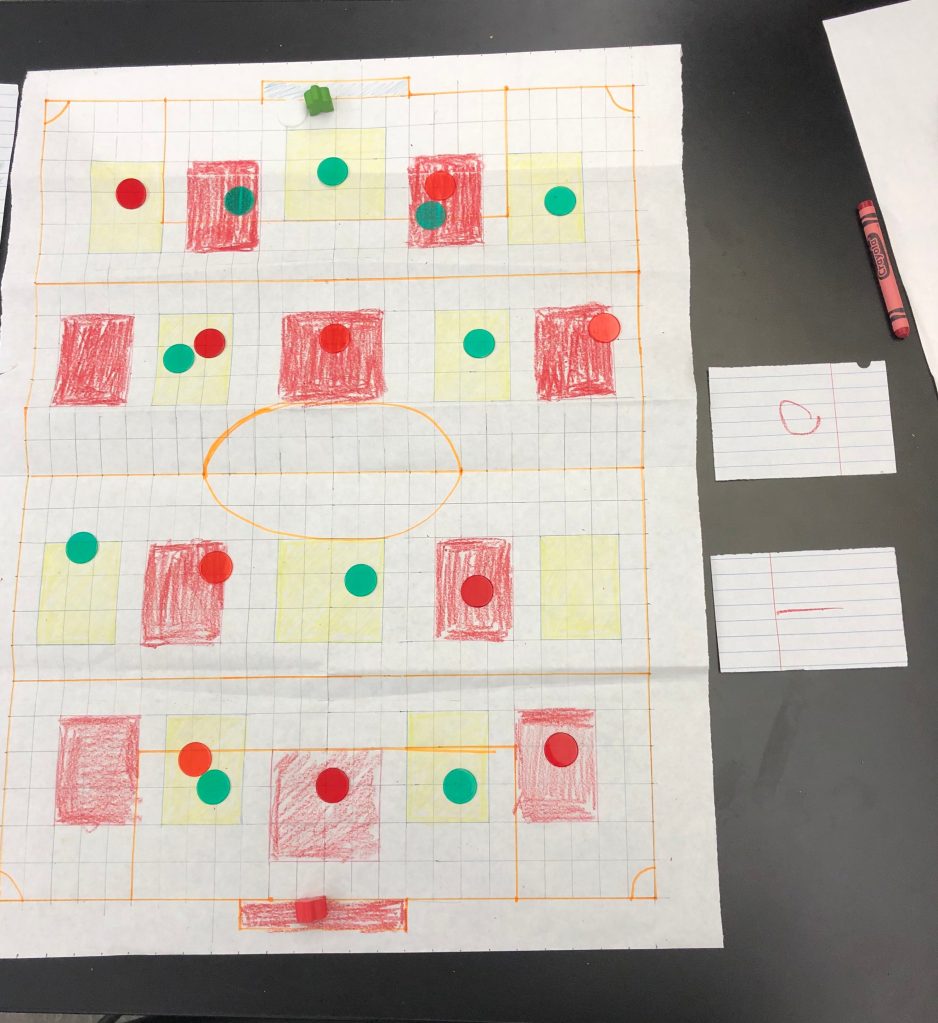
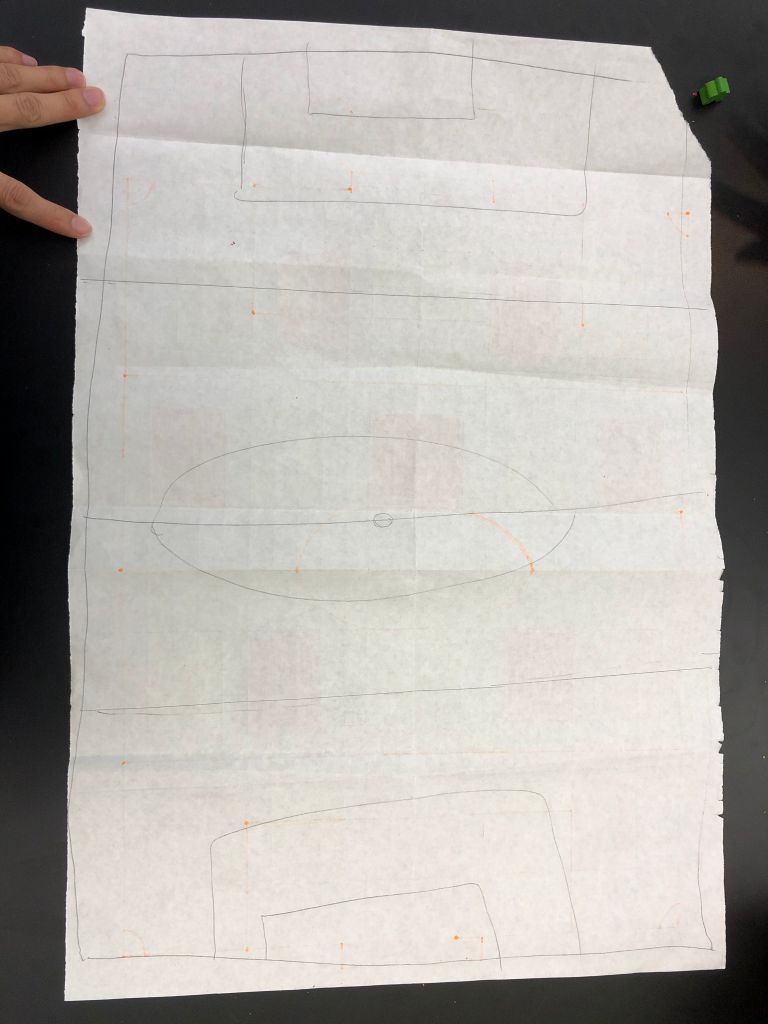
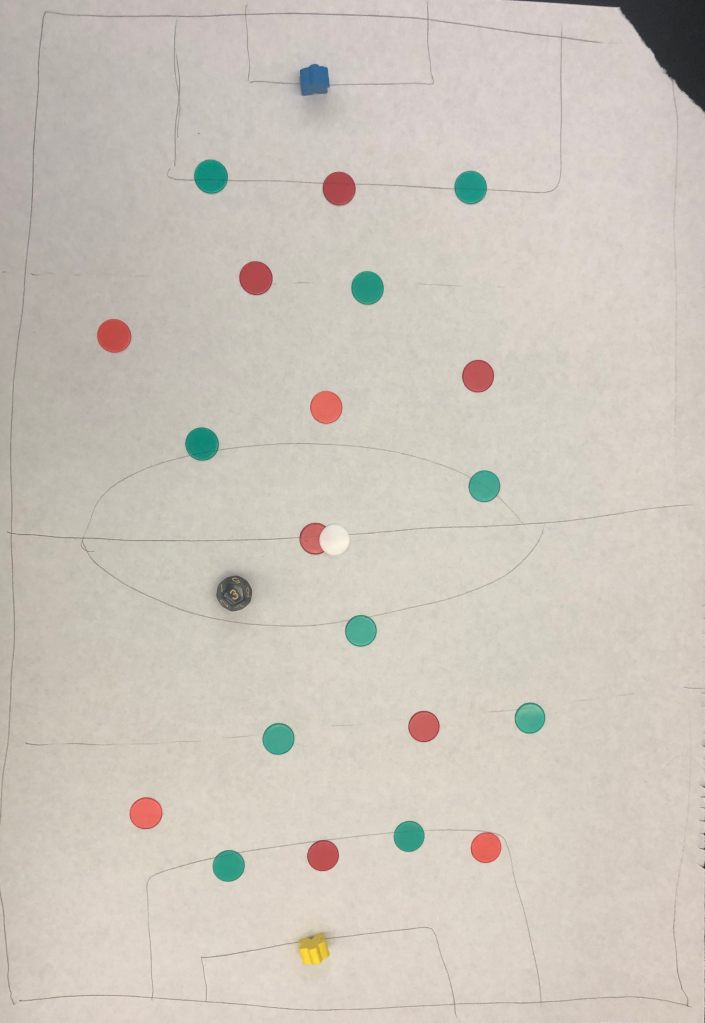
This board game is base on the soccer game in real life. Each player need to control one team of 11 soccer players. The board is divided into 4 areas: frontcourt,midfield1,midfield2,backcourt. Player role dice to pass and shot the soccer ball. Which ever team scores 5 points first wins the game.

Rules:

1: Each player has 10 soccer players and 1 guard.
2: Role dice to start the game(Lower role goes first).
3: Chance to pass:(1/2 change to successfully pass the ball to the next area)
Backcourt to midfield1: 1-6
Backcourt to midfield2: 1-4
Backcourt to frontcourt: 1-2
4: Chance to score:(shooting the ball from the middle has the biggest change to score)
middle: 1-8
middle to left or middle to right: 1-6
far left or far right: 1-4
Chance + 2 if the soccer player is standing in his team’s area.
Chance – 2 if the soccer player is standing with one or more opponent’s player.
5: Chance to guard:
same as shooter’s score chance but role upset number
ex: shooter role 1-6 to score, then guar role 7-12 to guard
6: Defence player can move one soccer player once within the same area.
7: Guarding successfully let the player keep possession.
8: Scoring successfully let the other player keep possession.

A play log:

Very first prototype:

Science there are no grids on our board. We decided the board into 4 areas: frontcourt,midfield1,midfield2,backcourt and we kept that through all the iteration. We started with 3 soccer players and two simple rules: roll dice to pass the ball and roll dice to shot. After one play section, we realize the game was too rng based and needed too little player decision and skill to play. First, we added 7more soccer players to the board which made the game closer to a real-life soccer game. Then we added a player movement mechanic which let you move the soccer player and block the other player’s passing way.

We add a couple of new rules for the soccer player placement:

Each player can put 2-4 players in their backcourt for defense.

Each player can put 2-4 players in their midfield for passing.

Each player can put up to 2 players in their frontcourt for attacking.

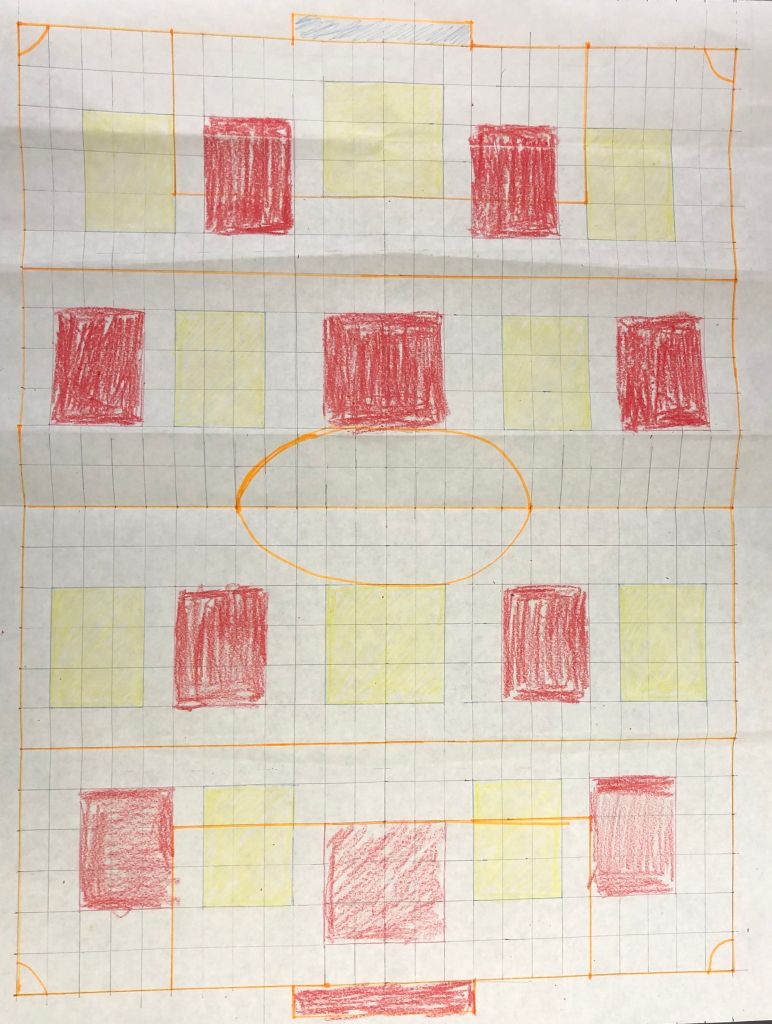
The game now requires the player to put their soccer player carefully and more decision making. The game was more fun to play with now but we encounter a new issue. Without a grid is hard to know where to put all those player and keep track of all them was impossible so we added areas.

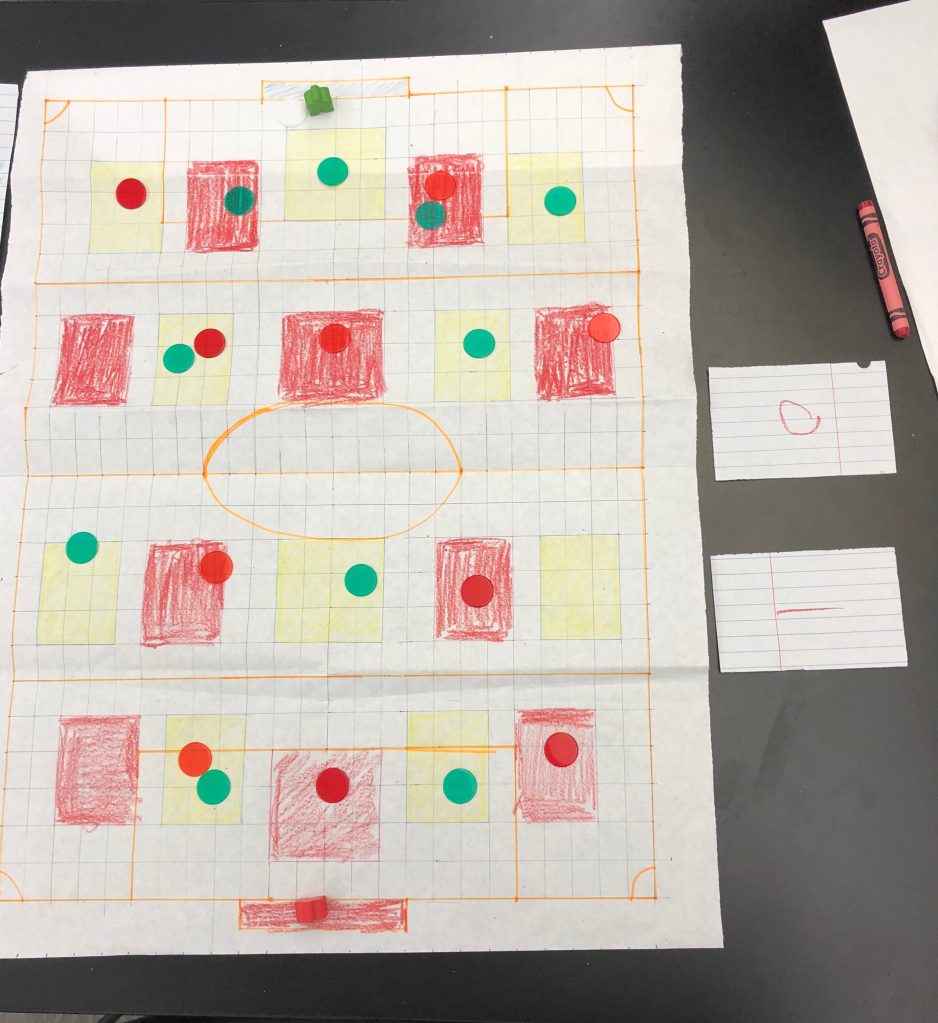
Those yellow areas and red areas are for the soccer player. We removed the old player placement rule and add the new one: Player place their soccer player into the colored area at the start of the game. When we were testing the game, we quickly realized that one player could take advantage of the other player by slowly put their soccer team. So we change the rule: Player roll dice to start the game. The player with a smaller role starts the first soccer player placement form backcourt his. Then the other player start the same process. Once a player finishes with one area he can’t go back and make changes to the player placement. That way no one has the placement advantage from the dice roll.

After I went home I played this version of the game with my girfiend. As we play, I add more rule for the in-game movement that let the player have more decisions to make. I also added the rule that let player pass the ball over two and more areas. That way players can try to push their luck and win an easy point. She gets rules pretty fast and even wins the game at the end. The simple board game turns out supper fun to play. You can try to play it with a close friend to see if you like it or not.

Core Mechanic:

Dice Rolling:
A game mechanism dice rolling in a game can be used for many things, randomness being the most obvious. This is the core of the game. I try to make a simple and fun game at first so I pick dice. Dice are simple and easy to use. It workes very well with the game so I sicked with it to the end.

Push Your Luck:
Players must decide between settling for existing gains, or risking them all for further rewards. Push-Your-Luck is also known as press-your-luck. Toward the end, I was playing the game and want to bring to the excitement to the game. The first mechanic that came to my mind was “push your luck”. I would never forget the feeling of escape Tokyo with 1 hp left that I played last week with my classmate. I decided to add this mechanic into the game. It fit the game nicely. A player can pass the ball safely with a greater chance of a successful pass and he can also pass the ball to a shooter and take the risk of losing the soccer ball.

自我介紹 (範例文章)

此為範例文章,最初是發表在「網誌大學」中。我們提供十幾項方案,現在就註冊所需方案,立即開始建立你的網誌。

你今天要發表文章了。不必擔心網誌的外觀配置。此外,如果你還沒有幫網誌命名,或是感到不知所措,也不需要擔心。只要按一下「新增文章」按鈕,並告訴我們你在此撰寫文章的原因即可。

為何要這樣做?

  • 因為這樣可讓新讀者瞭解來龍去脈。你打算做什麼?為何讀者應該閱讀你的網誌?
  • 這將能協助你專注於自己對網誌的想法,以及你想要使用網誌來做的事情。

文章可長可短,可以是你的個人生活介紹或隨性的使命陳述、對於未來的宣言,或者你也可以針對想要發表的事物擬出簡單的大鋼。

為了協助你開始使用,以下提供一些相關問題:

  • 為何你要建立公開網誌,而不是私人日記?
  • 你認為自己會撰寫哪些主題?
  • 你想透過網誌與哪些人建立連結?
  • 如果你在未來一年可以成功持續經營網誌,你希望達成什麼目標?

你不應就此侷限在上述任一問題;網誌的美好之處就是可以觀察它們如何隨著我們學習、成長及互動的步伐不斷演變;不過,瞭解你要從何處著手與開始使用的原因將對你有所幫助,而明確表達自己的目標也許就能提供你一些其他的文章構想。

不知道如何開始嗎?只要寫下心中想到的第一件事就可以了。有一本廣為流傳的寫作相關書籍,作者 Anne Lamott 表示:你需要允許自己寫下「蹩腳初稿」。安妮說到重點:開始寫就對了,編輯的事以後再說。

當你準備發表文章時,為文章提供三至五個能夠說明網誌焦點的標籤,像是寫作、攝影、小說、育兒、食物、車子、電影、運動等。這些標籤將有助於關切你的主題的其他人在「讀取器」中找到你。請確認其中一個標籤為「zerotohero」,這樣其他新的部落客也可以找到你。

使用 WordPress.com 設計專業網站
立即開始使用